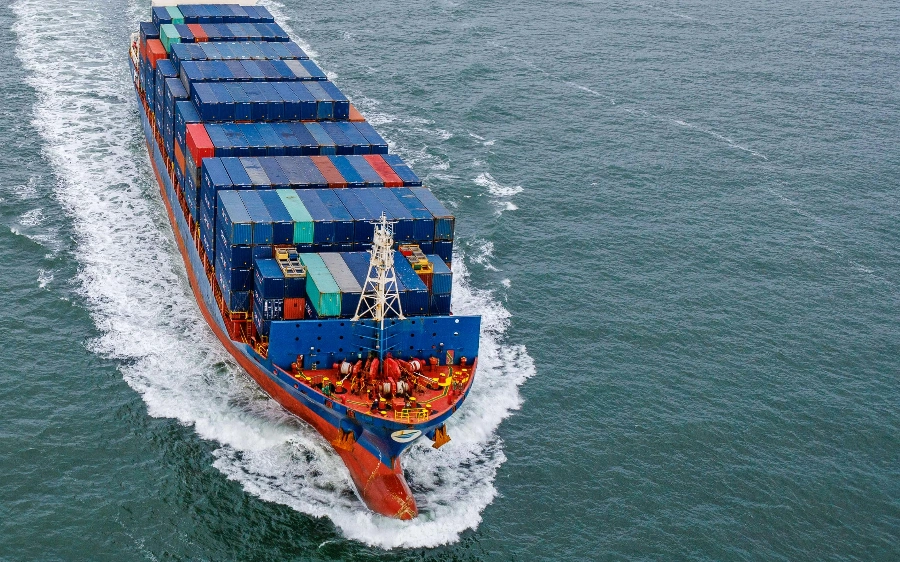
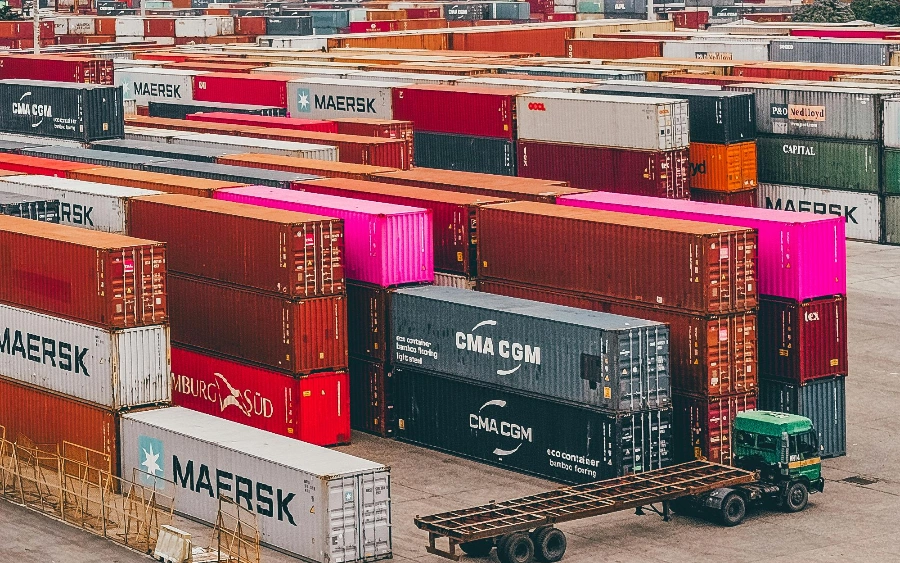
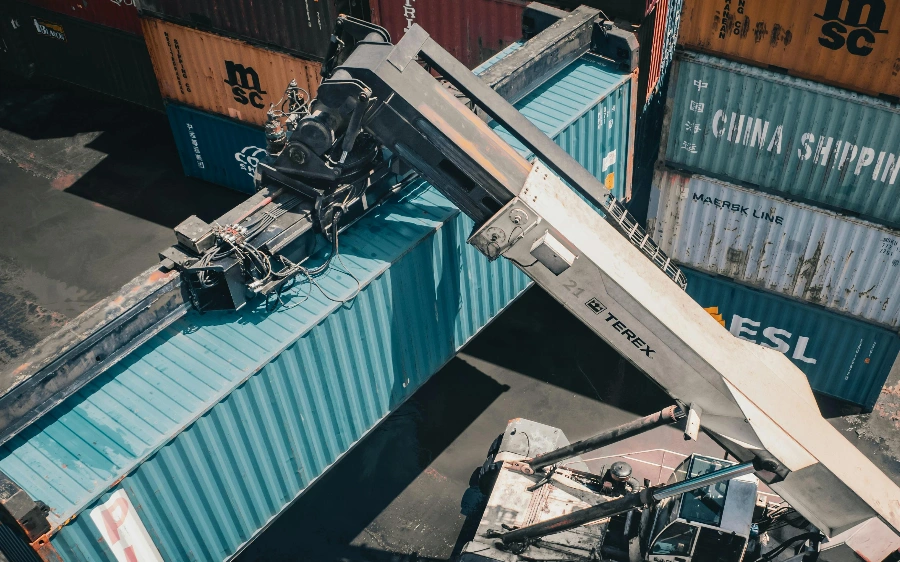
Moving overseas shipping containers involves far more than simply booking cargo transportation. International container shipping depends on highly coordinated logistics systems involving freight carriers, cargo terminals, customs authorities, shipping ports, documentation processes, and global supply chain infrastructure.
Even small mistakes can create major shipping delays, unexpected costs, cargo damage, customs complications, and operational disruptions.
Businesses and individuals entering international shipping often underestimate the complexity of overseas freight movement. Understanding the most common container shipping mistakes can help improve cargo planning, reduce transportation risks, and create more efficient logistics outcomes.
Poor Freight Planning
One of the biggest mistakes in international container shipping is insufficient planning.
Many shipments experience problems because cargo preparation begins too late or important logistics requirements are overlooked.
Poor planning may lead to:
- Missed vessel schedules
- Port storage fees
- Higher freight costs
- Customs delays
- Limited container availability
International shipping operates on strict timelines across multiple transportation systems. Delays in one stage can affect the entire shipment process.
Successful overseas shipping often requires advance coordination between:
- Freight forwarders
- Cargo suppliers
- Port terminals
- Trucking providers
- Customs authorities
- Shipping carriers
Early planning reduces operational pressure and improves shipping flexibility.
Choosing The Wrong Container Type
Different cargo requires different shipping container solutions.
A common mistake is selecting a container based only on price instead of operational suitability.
Examples include:
- Using standard containers for temperature-sensitive cargo
- Choosing containers that are too small for freight volume
- Failing to account for oversized equipment dimensions
- Ignoring cargo ventilation requirements
Incorrect container selection may increase:
- Cargo damage risks
- Freight inefficiencies
- Loading complications
- Transportation delays
Understanding cargo requirements before booking freight space is essential.
Inaccurate Shipping Documentation
Documentation errors are among the most common causes of international shipping delays.
Global freight systems depend heavily on accurate paperwork throughout customs and cargo processing stages.
Common documentation mistakes include:
- Incorrect cargo descriptions
- Missing paperwork
- Inconsistent shipment details
- Wrong consignee information
- Incomplete customs declarations
- Errors in commercial invoices
Important shipping documents often include:
- Bill of Lading
- Packing List
- Commercial Invoice
- Certificate of Origin
- Customs declarations
Even small paperwork errors may result in:
- Customs inspections
- Cargo holds
- Financial penalties
- Delayed cargo release
- Port storage charges
Documentation accuracy is critical in international logistics operations.
Poor Cargo Packaging
Improper cargo packaging creates significant transportation risks during international shipping.
Containers move through multiple handling stages involving:
- Warehouses
- Truck transport
- Rail systems
- Port terminals
- Ocean freight vessels
Cargo that is poorly packed may shift during transit, causing damage to goods and surrounding shipments.
Common packaging mistakes include:
- Weak pallet support
- Inadequate cargo securing
- Improper weight distribution
- Insufficient protective materials
- Poor moisture protection
International freight often experiences vibration, movement, and changing environmental conditions during long-distance transportation.
Strong packaging standards help reduce cargo damage risks.
Incorrect Weight Distribution
Container weight balance is an important part of freight safety and transportation stability.
Improper weight distribution may cause:
- Cargo shifting
- Container imbalance
- Handling difficulties
- Transportation safety risks
- Loading complications
Heavy cargo should generally be distributed evenly throughout the container.
Uneven loading may also increase pressure on container walls and flooring systems during transit.
Professional container loading procedures are essential for international freight safety.
Ignoring Customs Regulations
Every country has different customs requirements, import regulations, and cargo restrictions.
One major mistake is assuming all international shipping procedures are similar across regions.
Failure to understand destination country regulations may result in:
- Cargo seizure
- Customs penalties
- Shipment rejection
- Extended inspection delays
- Additional compliance costs
Certain products may require:
- Import permits
- Special certifications
- Quarantine inspections
- Safety documentation
Researching destination-country import requirements before shipment is essential.
Underestimating Transit Delays
Many first-time shippers expect international cargo movement to follow predictable schedules.
In reality, overseas shipping is affected by many external factors including:
- Port congestion
- Weather disruptions
- Customs inspections
- Vessel scheduling changes
- Labor shortages
- Supply chain disruptions
Unexpected delays are common within global freight networks.
Businesses relying on strict delivery timelines should include contingency planning within their logistics strategy.
Failing To Purchase Cargo Insurance
Some businesses attempt to reduce costs by avoiding cargo insurance.
This may create significant financial risk during international transportation.
Cargo insurance may help protect against:
- Freight damage
- Container accidents
- Weather-related losses
- Theft
- Cargo mishandling
- Maritime incidents
Although insurance adds additional cost, it may reduce larger financial exposure during international shipping operations.
Choosing Freight Providers Based Only On Price
Low freight pricing does not always indicate efficient logistics service.
Some businesses select shipping providers based entirely on cost without evaluating:
- Operational reliability
- Port network coverage
- Documentation support
- Cargo handling standards
- Customer communication
- Freight coordination capabilities
Poor service quality may ultimately increase costs through delays, errors, and operational inefficiencies.
International freight decisions should balance both pricing and logistics performance.
Poor Communication Between Logistics Parties
International shipping often involves multiple organizations working together across different regions.
These may include:
- Freight forwarders
- Shipping lines
- Trucking companies
- Port operators
- Customs brokers
- Cargo suppliers
Communication failures between parties may lead to:
- Shipment confusion
- Missed deadlines
- Documentation errors
- Cargo delays
Strong coordination improves freight visibility and operational efficiency throughout the shipping process.
Ignoring Port & Storage Charges
Some shippers underestimate how quickly port-related fees can increase.
Common additional charges include:
- Demurrage fees
- Container detention costs
- Storage charges
- Terminal handling fees
Delays in cargo pickup or customs clearance may rapidly increase operational expenses.
Understanding port timelines and cargo release procedures helps reduce unnecessary charges.
Failing To Track Global Shipping Conditions
Modern logistics systems are highly influenced by worldwide events.
International freight markets may be affected by:
- Fuel price increases
- Geopolitical instability
- Trade restrictions
- Labor strikes
- Vessel shortages
- Port congestion
- Supply chain disruptions
Ignoring global shipping conditions may create unrealistic expectations regarding pricing and transit times.
Businesses involved in international cargo movement benefit from monitoring logistics market developments regularly.
Not Understanding FCL vs LCL Shipping
Choosing the wrong shipping structure is another common mistake.
Full Container Load (FCL)
FCL shipping may be better for:
- Large cargo volumes
- Faster freight handling
- Improved cargo security
Less than Container Load (LCL)
LCL shipping may work better for:
- Smaller shipments
- Lower upfront freight costs
- Flexible cargo volumes
Using the wrong shipping method may reduce logistics efficiency and increase transportation expenses.
Overlooking Final Delivery Logistics
Many shippers focus heavily on ocean freight while overlooking final delivery coordination.
After arriving at the destination port, containers still require:
- Customs clearance
- Inland transportation
- Cargo unloading
- Distribution planning
Final delivery delays may disrupt entire supply chain schedules.
Comprehensive logistics planning should include both ocean freight and inland cargo movement.
The Importance Of Strategic Shipping Preparation
Successful overseas shipping depends on preparation, organization, and operational awareness.
Businesses that understand container logistics are often better positioned to:
- Reduce transportation risks
- Improve freight efficiency
- Avoid unnecessary costs
- Manage transit expectations
- Improve international cargo coordination
Global shipping systems are complex, but proper planning significantly improves logistics outcomes.
Conclusion
Moving overseas shipping containers involves multiple interconnected logistics stages including cargo preparation, freight booking, customs processing, port operations, ocean transportation, and inland delivery systems.
Mistakes in any stage may create delays, additional costs, or operational complications.
By understanding the most common shipping errors and preparing strategically, businesses and individuals can improve freight efficiency, reduce logistics risks, and navigate international container transportation more effectively within today’s global shipping environment.