International shipping containers are one of the foundations of modern global trade. Businesses, importers, exporters, and individuals moving cargo overseas often choose between two major shipping methods:
- Full Container Load (FCL)
- Less than Container Load (LCL)
Understanding the differences between FCL and LCL shipping is essential for managing freight costs, cargo protection, transit efficiency, and overall logistics planning.
Both options are widely used in international cargo transportation, but each serves different shipping needs depending on cargo volume, budget, transit urgency, and operational requirements.
Understanding International Container Shipping
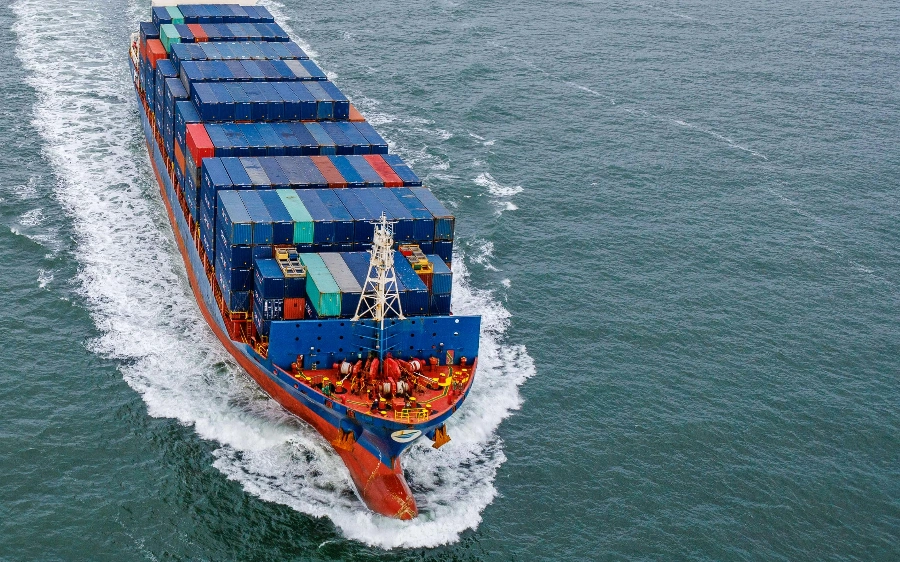
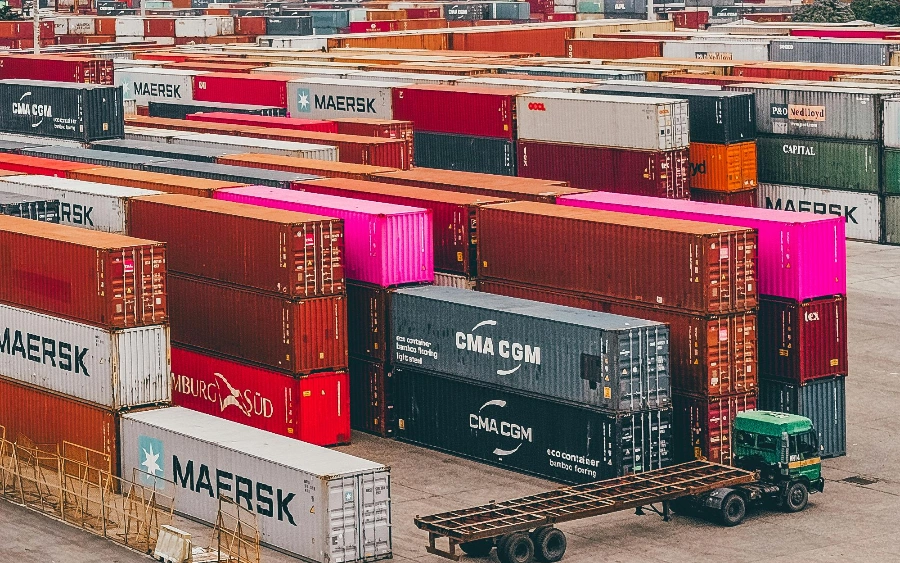
Container shipping allows cargo to move efficiently across global logistics networks using standardized shipping containers.
These containers travel through:
- Freight trucking systems
- Rail transportation networks
- International cargo terminals
- Shipping ports
- Ocean freight vessels
- Distribution centers
Containerization simplified international trade by reducing cargo handling time, improving shipment security, and supporting large-scale global commerce.
Two of the most common container shipping structures are FCL and LCL.
What Is FCL Shipping?
FCL stands for Full Container Load.
In FCL shipping, a single customer uses the entire shipping container for their cargo.
The container may not always be physically full, but the shipment is booked exclusively under one consignee or shipper.
Common container sizes used for FCL shipping include:
- 20-foot containers
- 40-foot containers
- 40-foot high cube containers
FCL is commonly used for:
- Commercial freight
- Large cargo volumes
- Industrial equipment
- Manufacturing goods
- International business shipments
- Bulk cargo transport
Advantages Of FCL Shipping
Better Cargo Security
Since the container is used exclusively by one shipper, there is reduced cargo handling throughout the transportation process.
This lowers the risk of:
- Cargo mixing
- Misplacement
- Contamination
- Damage during consolidation
FCL shipments generally remain sealed throughout most of the international transit process.
Faster Transit Handling
FCL shipments often move more efficiently through:
- Port terminals
- Container loading systems
- Customs processing
- Distribution operations
Because the container belongs to a single shipment, there is usually less consolidation and sorting involved.
This may reduce overall shipping delays.
More Efficient For Large Shipments
For businesses transporting larger cargo volumes, FCL may become more cost-effective than paying for shared container space through LCL systems.
Large freight shipments often benefit from:
- Predictable freight handling
- Simplified logistics coordination
- Reduced cargo fragmentation
Improved Scheduling Flexibility
FCL containers may offer better scheduling control because they do not rely on cargo consolidation with other shipments.
This is important for:
- Manufacturing supply chains
- Commercial inventory movement
- Time-sensitive freight operations
Disadvantages Of FCL Shipping
Despite its advantages, FCL is not always the ideal option.
Higher Initial Freight Costs
Booking an entire container generally requires higher upfront shipping expenses.
Smaller shipments may not fully utilize available container space, reducing cost efficiency.
Less Practical For Small Cargo Volumes
If cargo volume is limited, paying for an entire container may not make financial sense.
In these situations, LCL shipping may provide better flexibility.
What Is LCL Shipping?
LCL stands for Less than Container Load.
In LCL shipping, multiple shippers share space inside the same shipping container.
Freight forwarders consolidate cargo from different customers into one container before international transport begins.
LCL shipping is commonly used for:
- Smaller cargo shipments
- Low-volume freight
- Startup import businesses
- Personal cargo movement
- Flexible international shipping needs
Advantages Of LCL Shipping
Lower Shipping Costs For Small Cargo
LCL allows businesses and individuals to pay only for the space their cargo occupies.
This makes LCL more accessible for:
- Small businesses
- Startup importers
- Lower-volume shipments
- International relocation cargo
For many companies, LCL helps reduce upfront freight expenses.
Greater Flexibility
LCL shipping allows smaller cargo shipments to move internationally without waiting to fill an entire container.
This flexibility supports:
- Frequent smaller shipments
- Inventory management strategies
- Test market imports
- Lower storage requirements
Easier Entry Into International Trade
Many new importers and exporters begin with LCL shipping before scaling into larger container volumes.
LCL helps businesses participate in global trade without major shipping commitments.
Disadvantages Of LCL Shipping
Longer Transit Handling
LCL cargo requires additional logistics stages including:
- Cargo consolidation
- Sorting procedures
- Deconsolidation at destination ports
These extra handling processes may increase transit times.
Higher Cargo Handling Risks
Since multiple shipments share the same container, cargo may experience:
- Increased handling frequency
- Movement during transit
- Greater risk of misplacement or damage
Proper packaging becomes especially important for LCL freight.
More Complex Logistics Coordination
LCL shipments rely on coordinated cargo scheduling between multiple customers.
Delays affecting one shipment may influence overall container movement.
Key Differences Between FCL And LCL Shipping
| Feature | FCL Shipping | LCL Shipping |
|---|
| Container Usage | Entire container | Shared container space |
| Best For | Large shipments | Smaller shipments |
| Transit Handling | Faster | Slower |
| Cargo Security | Higher | Moderate |
| Freight Costs | Higher upfront | Lower initial cost |
| Cargo Consolidation | Not required | Required |
| Shipping Flexibility | Moderate | High |
| Handling Frequency | Lower | Higher |
Factors To Consider When Choosing Between FCL And LCL
Selecting the right shipping option depends on several logistics factors.
Cargo Volume
Large shipments generally benefit more from FCL shipping.
Smaller shipments often fit better within LCL consolidation systems.
Shipping Budget
LCL usually offers lower upfront freight costs for smaller cargo volumes.
FCL may become more cost-effective when shipping higher cargo quantities.
Transit Speed Requirements
Businesses requiring faster cargo movement may prefer FCL due to reduced handling and consolidation stages.
Cargo Sensitivity
Fragile or high-value goods may benefit from the additional security provided by FCL shipping.
Inventory Management
Some businesses prefer smaller, more frequent shipments using LCL to reduce warehouse storage requirements.
Others prioritize bulk transportation efficiency through FCL systems.
The Role Of Freight Forwarders
Freight forwarders play an important role in both FCL and LCL shipping operations.
Their responsibilities may include:
- Cargo coordination
- Shipping documentation
- Customs clearance support
- Container booking
- Freight scheduling
- Cargo consolidation management
Freight forwarders help simplify international shipping processes across global logistics systems.
Customs Procedures For FCL & LCL Cargo
Both FCL and LCL shipments must comply with international customs regulations.
Required documentation often includes:
- Commercial invoices
- Packing lists
- Bills of lading
- Import declarations
- Cargo certificates
LCL shipments may involve additional customs complexity due to shared container cargo processing.
Global Shipping Trends Affecting Container Freight
Modern container shipping continues evolving due to:
- Supply chain disruptions
- Port congestion
- Rising freight demand
- Fuel price fluctuations
- Trade policy changes
- Digital logistics technology
These factors influence both FCL and LCL shipping costs and transit performance worldwide.
Which Shipping Option Is Better?
There is no universal answer.
FCL may be better for:
- Large cargo volumes
- Commercial freight operations
- Faster handling requirements
- Higher cargo security needs
LCL may be better for:
- Smaller shipments
- Lower shipping budgets
- Flexible inventory management
- Entry-level international trade operations
The best option depends on shipping priorities, cargo size, operational goals, and logistics strategy.
Conclusion
FCL and LCL shipping are both essential components of international container logistics.
Understanding the differences between these shipping methods helps businesses and individuals make more informed freight decisions while improving cargo planning and transportation efficiency.
As global trade continues expanding, choosing the right container shipping structure remains an important part of successful overseas logistics management.