International container shipping is one of the most important systems supporting modern global trade. Every year, millions of shipping containers move across oceans transporting commercial cargo, industrial equipment, retail products, construction materials, and personal goods between countries and continents.
Although containers appear simple from the outside, the international transportation process behind them involves highly coordinated logistics networks, maritime operations, cargo terminals, customs systems, and freight infrastructure.
Understanding how overseas shipping containers are transported internationally helps businesses and individuals better navigate freight planning, shipping timelines, cargo preparation, and global transportation systems.
The Role Of Shipping Containers In Global Trade
Shipping containers transformed international commerce by creating a standardized cargo transport system that works across multiple transportation methods.
Today, containers are moved through:
- Ocean freight vessels
- Rail transport systems
- Freight trucking networks
- Intermodal logistics hubs
- International cargo terminals
- Distribution centers
This system allows cargo to move more efficiently between countries while reducing handling risks and transportation delays.
Modern container shipping supports industries including:
- Retail distribution
- Manufacturing
- Agriculture
- Automotive transport
- Construction
- Mining
- Technology supply chains
- International relocation services
Without containerized freight systems, international trade would be significantly slower and more expensive.
Types Of Shipping Containers Used Internationally
Different cargo types require different shipping containers.
Standard Dry Containers
These are the most commonly used containers for general cargo transportation.
Popular sizes include:
- 20-foot containers
- 40-foot containers
Standard containers are commonly used for:
- Consumer goods
- Furniture
- Electronics
- Machinery
- Packaged cargo
High Cube Containers
High cube containers provide additional vertical storage space.
They are often used for:
- Bulky cargo
- Lightweight commercial goods
- Large freight shipments
Refrigerated Containers
Refrigerated containers, also called reefer containers, are designed for temperature-sensitive cargo.
Common uses include:
- Food transportation
- Pharmaceutical cargo
- Agricultural exports
- Frozen products
Flat Rack Containers
Flat rack containers are used for oversized cargo that cannot fit into standard enclosed containers.
Examples include:
- Heavy machinery
- Industrial equipment
- Construction vehicles
The International Container Shipping Process
Moving overseas shipping containers internationally involves several major logistics stages.
Cargo Preparation & Packing
Before a shipment begins international transport, cargo must be prepared carefully.
This stage may include:
- Packaging goods securely
- Palletizing cargo
- Weight distribution planning
- Cargo labeling
- Inventory verification
- Freight documentation preparation
Proper packing reduces the risk of:
- Cargo movement during transit
- Container damage
- Customs complications
- Freight delays
Cargo preparation is one of the most important stages in the shipping process.
Container Loading Operations
Once cargo is ready, goods are loaded into shipping containers at:
- Warehouses
- Freight depots
- Cargo terminals
- Distribution facilities
Container loading requires strategic organization to maximize space efficiency while maintaining cargo stability.
Professional loading procedures focus on:
- Balanced cargo distribution
- Weight compliance
- Load security
- Cargo accessibility
- Transit protection
Improper loading may increase transportation risks during ocean movement.
Inland Transportation Systems
After loading is completed, containers are transported from inland facilities to international shipping ports.
Common inland transportation methods include:
Freight Trucking
Trucks transport containers between warehouses, rail yards, and port terminals.
Road freight remains essential for short-distance container movement.
Rail Freight Networks
Rail systems are widely used for transporting containers across long inland distances efficiently.
Rail transport helps reduce congestion on major freight corridors while improving cargo capacity.
Intermodal Transportation
Intermodal logistics combines multiple transportation methods including:
- Truck transport
- Rail freight
- Ocean shipping
This integrated system improves international cargo movement efficiency.
Port Terminal Operations
Shipping ports are critical components of international freight transportation.
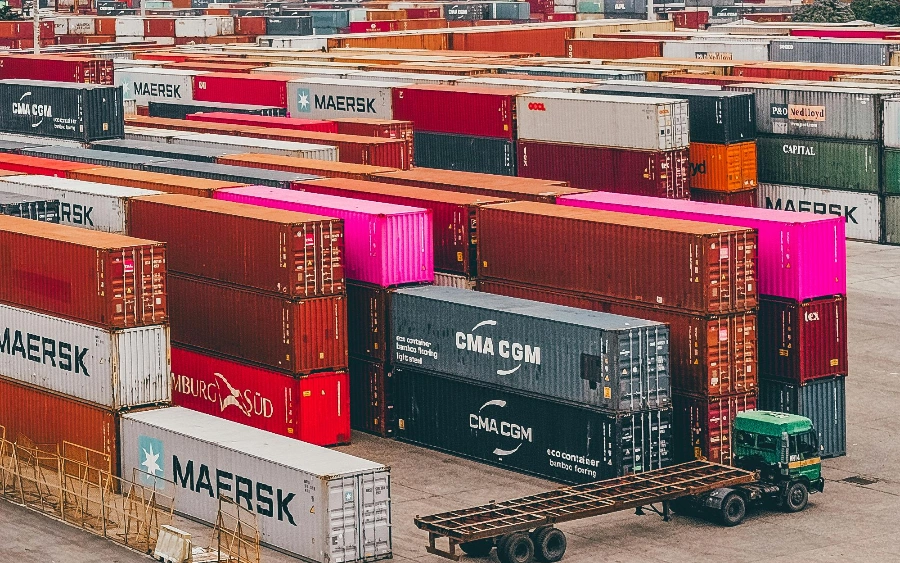
Once containers arrive at the port, they enter highly organized cargo management systems.
Port operations may involve:
- Security screening
- Customs inspections
- Container scanning
- Cargo verification
- Terminal storage
- Vessel scheduling coordination
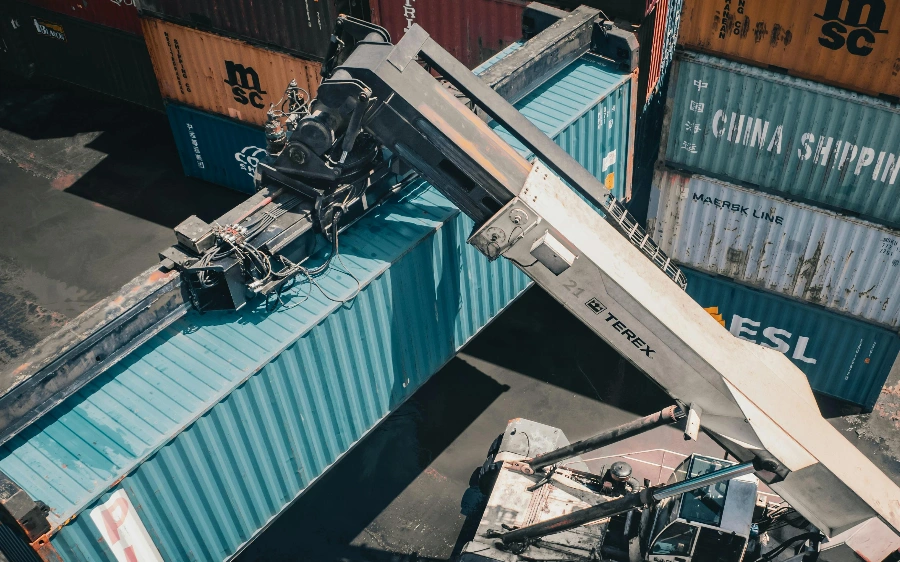
Modern ports use advanced equipment including:
- Container cranes
- Automated stacking systems
- Cargo tracking software
- Digital logistics infrastructure
Large ports process thousands of containers daily through complex operational networks.
Customs Clearance Procedures
Before international cargo can leave or enter a country, customs authorities review shipping documentation and cargo declarations.
Important documents often include:
- Bill of Lading
- Commercial Invoice
- Packing List
- Customs Declarations
- Certificates of Origin
Customs inspections may occur for:
- Regulatory compliance
- Cargo verification
- Security screening
- Import taxation assessment
Incorrect paperwork may result in:
- Shipment delays
- Port storage fees
- Cargo holds
- Financial penalties
Customs processing is one of the most sensitive stages of international shipping.
Ocean Freight Transportation
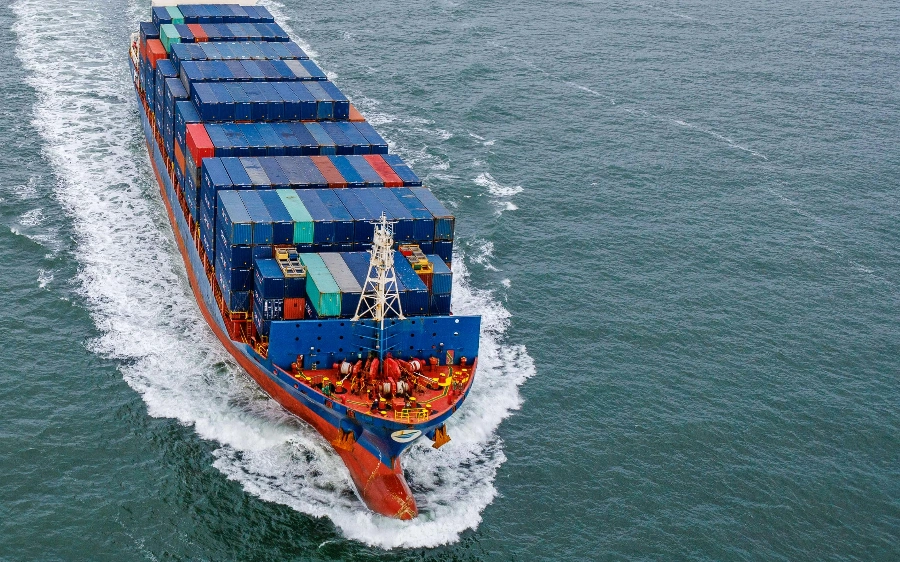
After port clearance is completed, containers are loaded onto cargo vessels for overseas transport.
Ocean freight remains one of the most cost-effective transportation methods for international cargo movement.
Container vessels operate across major global trade routes connecting:
- North America
- Europe
- Australia
- Southeast Asia
- China
- Pacific Island regions
- Middle Eastern shipping corridors
Large cargo vessels can carry thousands of containers during a single voyage.
How Cargo Vessels Transport Containers
Container ships are designed specifically for efficient cargo stacking and transport.
Containers are organized according to:
- Destination ports
- Cargo weight
- Shipping schedules
- Vessel balance requirements
- Unloading sequences
Advanced planning systems help maximize vessel efficiency while reducing operational risks during ocean transit.
Factors Affecting International Shipping Transit Times
Several factors may influence how long overseas container shipping takes.
Shipping Route Distance
Longer trade routes naturally increase transit duration.
Port Congestion
Busy ports may experience delays due to:
- High cargo volume
- Labor shortages
- Equipment limitations
- Weather disruptions
Customs Delays
Incomplete documentation or inspections may extend cargo processing times.
Weather Conditions
Storms and severe sea conditions may affect vessel schedules and maritime operations.
Seasonal Freight Demand
Peak shipping seasons often create additional congestion throughout global logistics networks.
Cargo Tracking & Modern Shipping Technology
Modern international shipping systems rely heavily on digital logistics technology.
Shipping companies and freight operators use:
- GPS cargo tracking
- Container monitoring systems
- Automated logistics software
- Electronic shipping documentation
- Real-time freight visibility platforms
These technologies improve:
- Cargo transparency
- Shipment monitoring
- Freight coordination
- Operational efficiency
Real-time tracking has become increasingly important for global supply chain management.
Common Challenges In International Container Shipping
Despite modern logistics advancements, international shipping still faces operational challenges.
Common issues include:
- Port congestion
- Shipping schedule disruptions
- Customs complications
- Equipment shortages
- Rising freight costs
- Geopolitical trade disruptions
- Supply chain instability
Global logistics systems are highly interconnected, meaning disruptions in one region may affect shipping worldwide.
The Importance Of International Container Logistics
Container transportation supports the movement of goods across virtually every major industry.
International shipping enables:
- Global retail supply chains
- Manufacturing operations
- Commercial trade
- Industrial freight movement
- International relocation services
- Agricultural exports
- Technology distribution
Efficient container logistics help maintain economic activity and international commerce worldwide.
Conclusion
Overseas shipping containers move through a sophisticated international logistics system involving freight trucking, rail transport, cargo terminals, customs authorities, shipping ports, and ocean freight vessels.
Every stage of the process plays a major role in ensuring cargo moves safely and efficiently across global trade routes.
Understanding how international container transportation works can help businesses, importers, exporters, and individuals improve freight planning, reduce risks, and make more informed shipping decisions in an increasingly connected global economy.