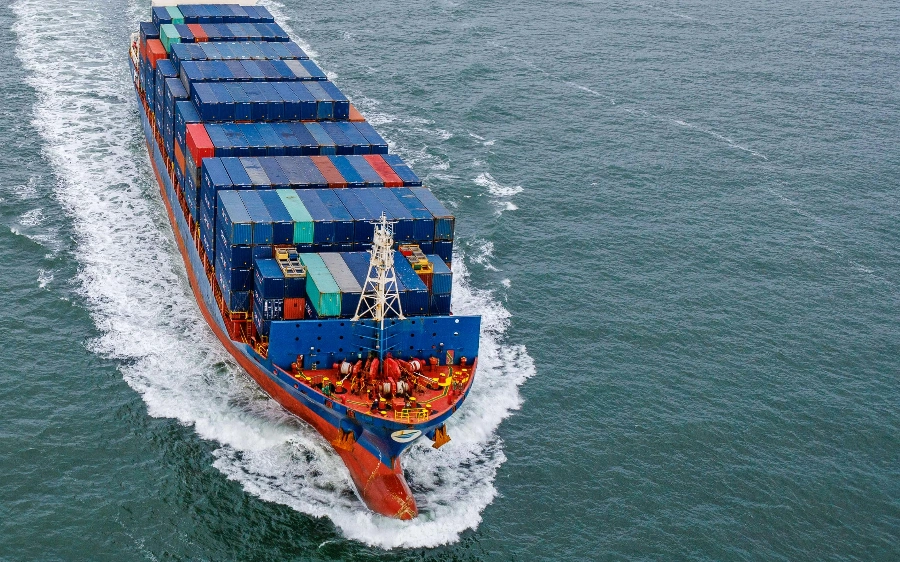
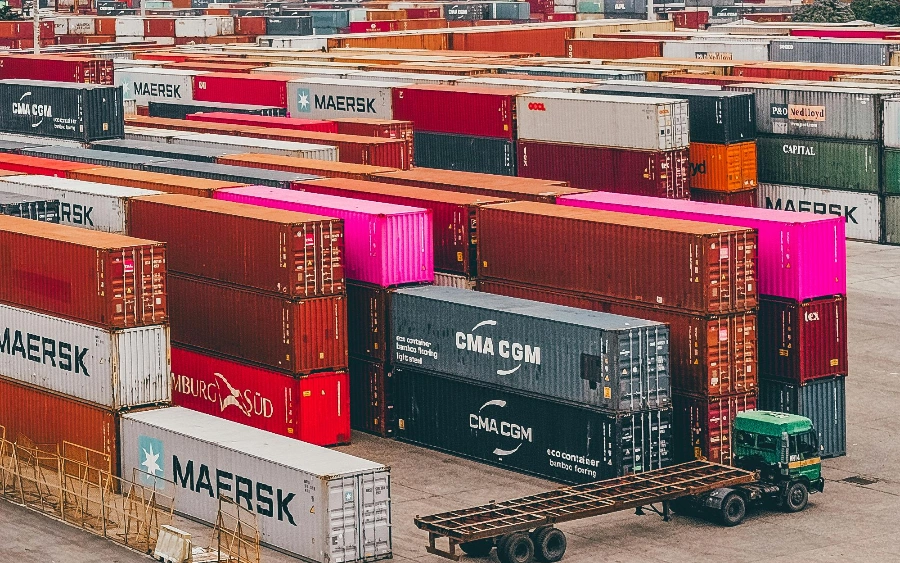
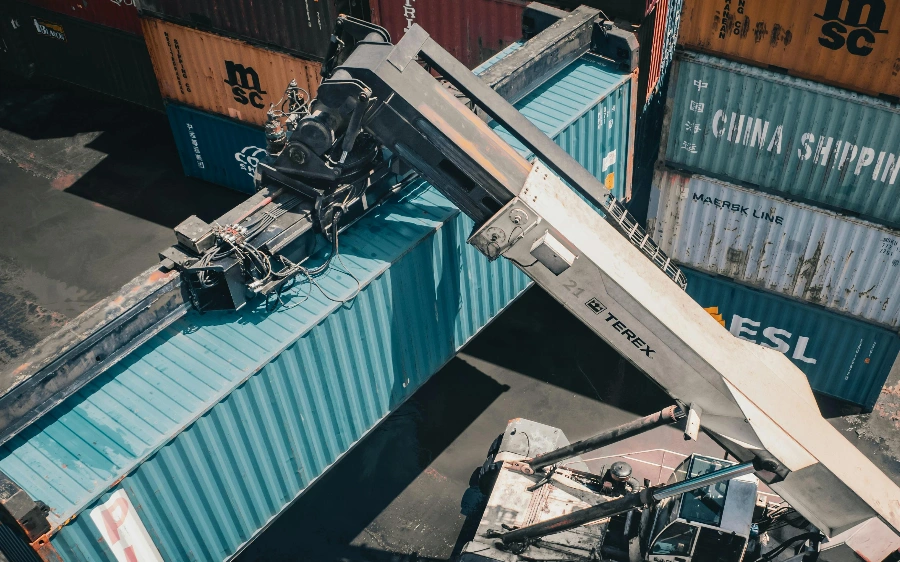
International shipping container costs are influenced by a wide range of logistics, operational, economic, and transportation factors. Businesses and individuals moving cargo overseas often discover that container freight pricing is far more complex than simply paying for transportation space on a cargo vessel.
Global shipping systems involve interconnected networks of:
- Ocean freight carriers
- Shipping ports
- Container terminals
- Customs authorities
- Freight forwarders
- Inland transport providers
- Supply chain infrastructure
Each stage of the international shipping process contributes to overall freight expenses.
Understanding how overseas shipping container costs are calculated helps businesses improve freight planning, reduce unexpected charges, and make more informed logistics decisions.
Understanding International Container Shipping Costs
Container shipping pricing is not based on a single fixed fee.
Instead, freight costs are typically influenced by:
- Container size
- Shipping route distance
- Cargo volume
- Fuel prices
- Port handling charges
- Customs processing
- Market demand
- Equipment availability
- Seasonal shipping conditions
Global freight pricing can fluctuate significantly depending on worldwide economic activity and supply chain conditions.
Container Size & Shipping Costs
One of the biggest pricing factors is container size.
The most common shipping container options include:
- 20-foot containers
- 40-foot containers
- 40-foot high cube containers
Larger containers generally cost more because they provide greater cargo capacity and require additional operational handling.
However, larger containers may reduce cost per unit for businesses shipping high cargo volumes.
Full Container Load (FCL) vs Less than Container Load (LCL)
Shipping structure also affects pricing.
Full Container Load (FCL)
FCL shipping means one customer uses the entire container.
FCL costs are usually influenced by:
- Container type
- Freight route
- Port fees
- Vessel availability
- Cargo weight
FCL often becomes more cost-effective for large shipments.
Less than Container Load (LCL)
LCL shipping allows multiple shippers to share container space.
LCL pricing is commonly calculated based on:
- Cargo dimensions
- Shipment volume
- Freight weight
- Consolidation handling
Although LCL reduces upfront shipping expenses for small cargo, additional handling stages may increase certain logistics costs.
Ocean Freight Rates
Ocean freight is one of the largest components of international container shipping costs.
Freight carriers calculate pricing based on factors including:
- Shipping lane demand
- Cargo capacity availability
- Vessel operating costs
- Fuel consumption
- Market competition
- International trade activity
Freight rates may rise during periods of high global shipping demand.
Fuel Costs & Marine Bunker Prices
Marine fuel costs play a major role in container shipping expenses.
Cargo vessels require significant fuel consumption during long international voyages.
When global fuel prices increase, shipping carriers often apply additional fuel surcharges to freight pricing.
Fuel-related costs may fluctuate due to:
- Oil market conditions
- Geopolitical instability
- International energy demand
- Environmental regulations
Marine fuel pricing directly affects worldwide logistics operations.
Port Charges & Terminal Handling Fees
Shipping ports apply operational charges throughout the cargo handling process.
Common port-related expenses include:
- Terminal handling charges (THC)
- Container lifting fees
- Security charges
- Wharfage fees
- Storage costs
- Port infrastructure fees
Busy international ports may have higher operational expenses due to increased demand and congestion.
Customs Duties & Import Taxes
Many countries apply customs duties, import taxes, and regulatory fees on incoming cargo.
These costs depend on:
- Cargo classification
- Product type
- Country of origin
- Trade agreements
- Import regulations
Customs-related expenses may significantly affect total shipping costs, especially for commercial imports.
Inland Transportation Costs
Shipping containers usually require inland transportation before and after ocean transit.
This may involve:
- Freight trucking
- Rail transport
- Intermodal logistics systems
- Distribution center handling
Longer inland transport distances generally increase overall freight expenses.
Infrastructure quality and regional logistics efficiency may also influence costs.
Container Availability & Equipment Shortages
Container supply availability affects international freight pricing.
During periods of equipment shortages, shipping costs may increase due to limited container access.
Container shortages may result from:
- Port congestion
- Trade imbalances
- Supply chain disruptions
- High export demand
- Delayed vessel schedules
Global logistics disruptions often create equipment imbalances across shipping regions.
Seasonal Freight Demand
International freight pricing frequently changes throughout the year.
Shipping demand often rises during:
- Holiday retail seasons
- Manufacturing production cycles
- Agricultural export periods
- Peak import schedules
Higher demand may lead to:
- Increased freight rates
- Reduced cargo capacity
- Port congestion
- Longer shipping delays
Peak season shipping usually costs more than off-peak transportation periods.
Shipping Route Distance
Longer international routes generally increase transportation expenses.
Costs may rise due to:
- Additional fuel consumption
- Longer vessel operations
- Increased transit handling
- Port stop complexity
Major international trade routes connecting Asia, Europe, North America, and Australia often experience fluctuating pricing conditions depending on market demand.
Cargo Type & Freight Complexity
Certain cargo types require specialized handling or transportation systems.
Examples include:
- Refrigerated cargo
- Hazardous materials
- Oversized equipment
- Fragile products
- Industrial machinery
Special cargo handling may involve:
- Additional permits
- Specialized containers
- Safety inspections
- Enhanced logistics coordination
Complex freight operations usually increase shipping expenses.
Cargo Insurance Costs
Many shippers purchase cargo insurance to reduce financial risk during international transportation.
Insurance costs may depend on:
- Cargo value
- Shipment route
- Transportation risk
- Cargo sensitivity
- Insurance coverage level
Although insurance adds cost, it may provide important protection against cargo damage or loss.
Currency Exchange Rates
International shipping often involves multiple currencies.
Currency fluctuations may affect:
- Freight contracts
- Port expenses
- Carrier pricing
- Fuel costs
- Customs charges
Global economic conditions can therefore influence container shipping expenses indirectly.
Supply Chain Disruptions & Freight Volatility
Modern logistics systems are highly interconnected.
Global events may rapidly affect container pricing through:
- Port congestion
- Labor shortages
- Vessel delays
- Geopolitical conflict
- Trade restrictions
- Pandemic disruptions
Recent years demonstrated how quickly international freight markets can become unstable during large-scale supply chain disruptions.
Hidden Costs In Overseas Shipping
Some international shipments experience unexpected charges.
Common hidden expenses may include:
- Demurrage fees
- Container detention charges
- Port storage costs
- Customs inspection fees
- Documentation corrections
- Cargo rehandling expenses
Many unexpected costs occur due to incomplete planning or documentation errors.
How To Reduce International Shipping Costs
Businesses and individuals can improve freight efficiency through careful planning.
Practical cost reduction strategies may include:
Planning Shipments Early
Advance planning may improve freight availability and reduce last-minute pricing increases.
Choosing The Right Shipping Method
Selecting between FCL and LCL shipping can significantly affect total transportation expenses.
Improving Cargo Packaging
Efficient packaging helps maximize container space while reducing damage risks.
Avoiding Documentation Errors
Accurate paperwork helps reduce customs delays and unexpected penalties.
Monitoring Market Conditions
Freight markets fluctuate constantly.
Tracking global logistics trends may help businesses identify better shipping opportunities.
Why Understanding Shipping Costs Matters
International container shipping affects businesses across nearly every industry.
Understanding freight pricing helps companies:
- Improve budgeting accuracy
- Manage supply chains more efficiently
- Reduce operational risks
- Optimize cargo planning
- Improve international trade decisions
Freight cost awareness has become increasingly important in modern global commerce.
Conclusion
International shipping container costs are influenced by multiple interconnected factors including freight demand, fuel prices, port charges, customs regulations, container availability, and global supply chain conditions.
Because international logistics systems constantly evolve, shipping expenses may fluctuate significantly over time.
Businesses and individuals who understand these pricing structures are often better positioned to improve freight planning, reduce unnecessary expenses, and navigate overseas shipping more effectively within the global transportation industry.