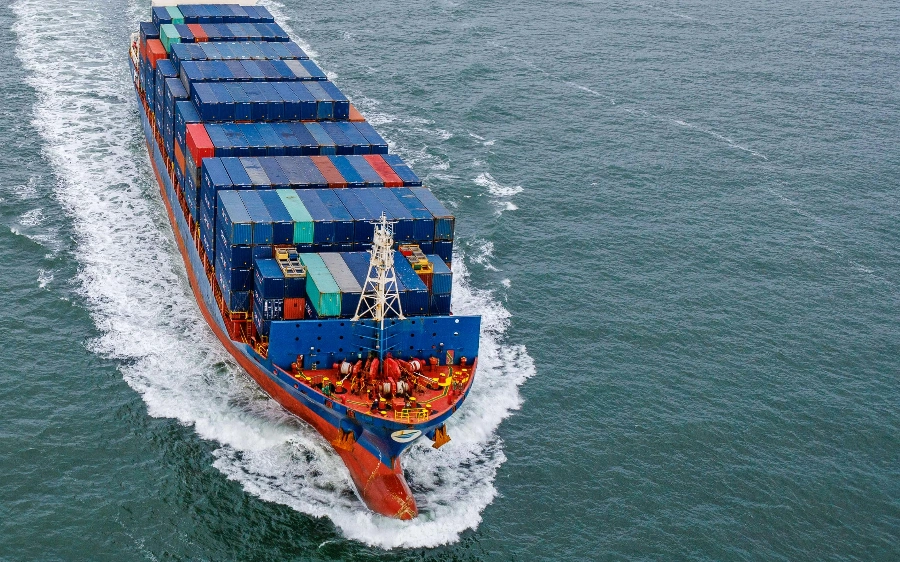
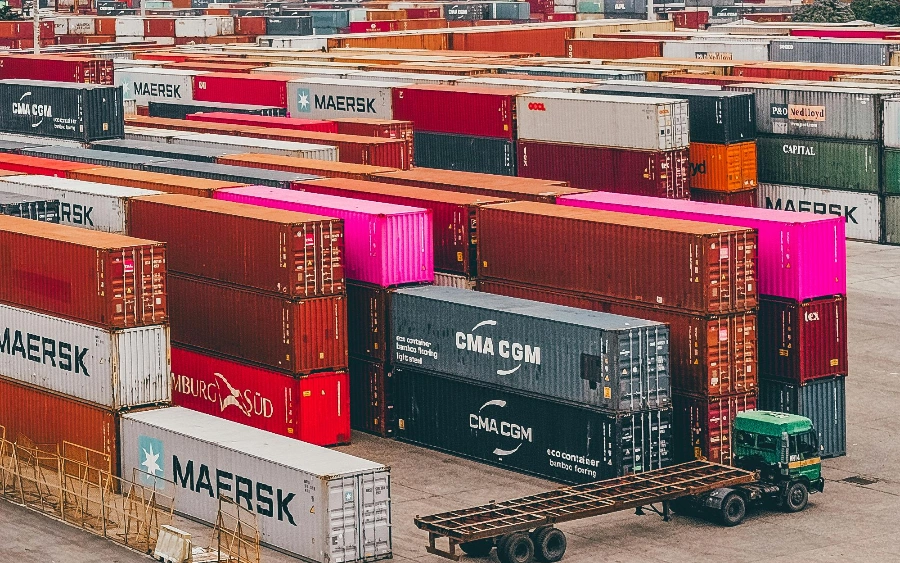
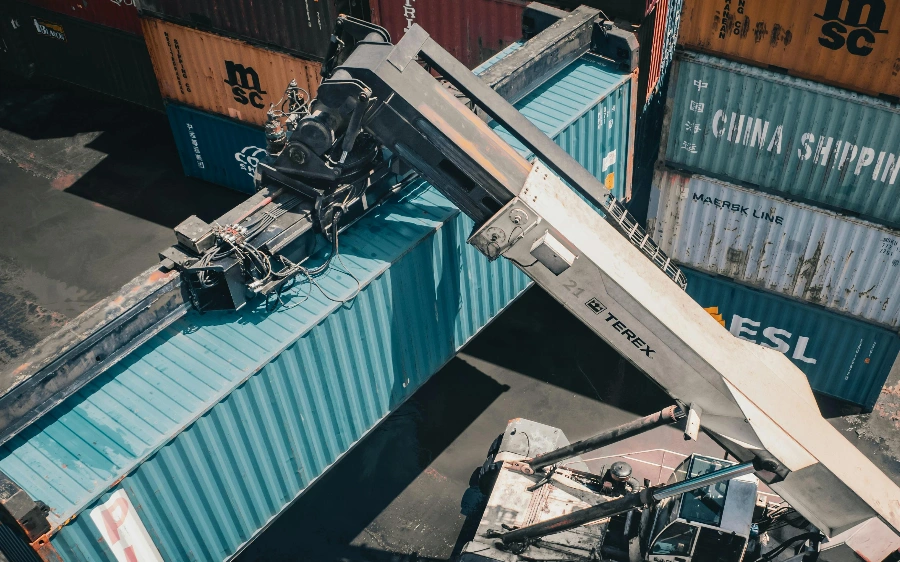
International shipping containers play a major role in global trade, cargo relocation, and commercial freight transportation. Every day, shipping containers move through ports, cargo terminals, rail systems, warehouses, and maritime freight networks connecting countries across the world.
Moving overseas shipping containers involves far more than simply loading cargo onto a vessel. The process includes freight coordination, documentation management, customs clearance, port logistics, cargo handling, route planning, and international transportation compliance.
For businesses, exporters, importers, and individuals relocating goods internationally, understanding how overseas container shipping works can help reduce delays, lower unnecessary costs, and improve cargo efficiency.
Understanding Overseas Shipping Containers
Shipping containers are standardized cargo units designed to transport goods safely across international freight systems. These containers are used throughout ocean freight, rail logistics, trucking operations, and intermodal cargo transportation.
The most common container types include:
- 20-foot shipping containers
- 40-foot shipping containers
- High cube containers
- Refrigerated containers
- Open-top containers
- Flat rack containers
Containerization transformed international trade by creating a more efficient way to move cargo between countries, ports, and transportation systems.
Today, container shipping supports industries including:
- Manufacturing
- Retail distribution
- Mining
- Agriculture
- Construction
- Automotive transport
- International relocation services
- Commercial import and export operations
How International Container Shipping Works
Moving overseas shipping containers typically involves several operational stages.
Cargo Preparation
Before international transport begins, cargo must be properly prepared for shipment. This includes:
- Cargo packaging
- Weight distribution
- Pallet organization
- Labeling and identification
- Export preparation
- Freight documentation
Proper cargo preparation reduces the risk of container damage, customs delays, and loading complications.
Container Loading
Once cargo is ready, goods are loaded into shipping containers at warehouses, freight depots, or cargo terminals.
Container loading requires careful planning to ensure:
- Balanced weight distribution
- Cargo stability
- Space optimization
- Damage prevention
- Compliance with shipping regulations
Poor loading practices may increase transportation risks during ocean transit.
Inland Freight Transportation
After loading, containers are transported to shipping ports using:
- Freight trucks
- Rail transport systems
- Intermodal logistics networks
Large international ports rely heavily on coordinated inland transportation infrastructure to manage cargo movement efficiently.
Port Operations
Shipping ports are among the most important components of international freight logistics.
At container terminals, cargo may go through:
- Security inspections
- Customs processing
- Container scanning
- Cargo verification
- Port handling operations
- Vessel scheduling systems
Major international shipping ports process millions of containers annually through highly organized logistics systems.
Ocean Freight Movement
Containers are then loaded onto cargo vessels for international transportation.
Ocean freight remains one of the most cost-effective methods for transporting large cargo volumes across long distances.
International shipping routes connect global trade regions including:
- North America
- Europe
- Australia
- Southeast Asia
- The Middle East
- Pacific trade corridors
Transit times vary depending on:
- Shipping route distance
- Port congestion
- Weather conditions
- Customs inspections
- Vessel schedules
- Seasonal freight demand
FCL vs LCL Shipping
Two of the most common overseas shipping methods are:
Full Container Load (FCL)
FCL shipping means a single customer uses the entire container.
Advantages include:
- Faster transit handling
- Reduced cargo mixing
- Better shipment security
- Lower damage risk for larger shipments
FCL is commonly used for commercial freight and large cargo volumes.
Less than Container Load (LCL)
LCL shipping allows multiple customers to share container space.
Advantages include:
- Lower cost for smaller shipments
- Flexible cargo volume options
- Reduced upfront freight expenses
However, LCL shipments may involve longer consolidation and deconsolidation processes.
Factors Affecting Overseas Shipping Costs
International container shipping costs can fluctuate significantly based on global logistics conditions.
Major pricing factors include:
Container Size
Larger containers generally cost more to transport due to increased cargo capacity and handling requirements.
Freight Route Distance
Longer international routes often increase:
- Fuel consumption
- Vessel operational costs
- Transit duration
- Port handling expenses
Port Charges
Many ports apply fees related to:
- Container handling
- Storage
- Terminal operations
- Security procedures
- Customs inspections
Seasonal Shipping Demand
Freight rates often increase during periods of high global shipping demand, especially around major retail and manufacturing cycles.
Fuel Costs
Marine fuel pricing can significantly affect ocean freight expenses worldwide.
Customs & Shipping Documentation
International cargo movement requires accurate documentation.
Common shipping documents include:
- Bill of Lading
- Commercial Invoice
- Packing List
- Certificate of Origin
- Customs Declaration Forms
- Freight Insurance Documentation
Incorrect or incomplete paperwork may lead to:
- Cargo delays
- Customs holds
- Financial penalties
- Shipment rejection
- Port storage costs
Understanding international shipping documentation is critical for smooth freight movement.
Common Challenges In Overseas Container Shipping
International logistics systems are highly interconnected and may experience operational disruptions.
Common challenges include:
Port Congestion
Busy ports may experience delays caused by:
- High cargo volumes
- Labor shortages
- Equipment limitations
- Vessel scheduling backlogs
Customs Delays
International customs authorities may conduct inspections or require additional documentation before cargo clearance.
Weather Disruptions
Storms, rough sea conditions, and natural events can affect vessel schedules and transit timelines.
Supply Chain Disruptions
Global events may impact shipping availability, freight pricing, and transportation capacity across international logistics networks.
Tips For Moving Overseas Shipping Containers Efficiently
Proper planning plays a major role in successful container transportation.
Key recommendations include:
- Prepare documentation early
- Understand freight timelines
- Choose appropriate container types
- Organize cargo carefully
- Monitor shipping schedules
- Plan for customs processing
- Review international regulations
- Understand potential port delays
Strategic preparation helps reduce operational complications and unexpected freight costs.
The Importance Of Global Container Shipping
Modern economies rely heavily on international container transportation systems.
Container shipping supports:
- International commerce
- Manufacturing supply chains
- Retail inventory movement
- Construction material transport
- Industrial equipment relocation
- Global import and export activity
Without standardized shipping containers, global trade efficiency would be significantly reduced.
Conclusion
Moving overseas shipping containers involves a complex network of freight systems, cargo operations, maritime transportation, customs procedures, and international logistics coordination.
Understanding how these systems work can help businesses and individuals make more informed shipping decisions, improve cargo planning, and reduce transportation risks.
As global trade continues evolving, container shipping remains one of the most important foundations of modern international commerce and worldwide freight movement.